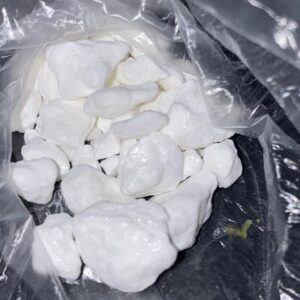
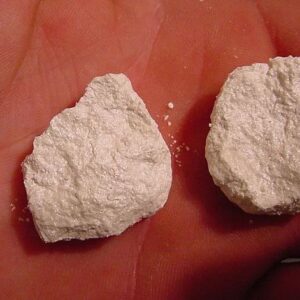
Colombian cocaine occupies a prominent place in global discussions about drugs, public health, economics, and international policy. Its notoriety stems not only from its psychoactive effects but also from the complex social, historical, and geopolitical forces surrounding coca cultivation and cocaine production in South America. Understanding this subject requires separating myth from fact and focusing on evidence-based information.
Origins and Historical Background
The coca plant (Erythroxylum coca) has been cultivated in the Andean region for thousands of years. Indigenous communities in present-day Colombia, Peru, and Bolivia traditionally used coca leaves for medicinal, ritual, and endurance-related purposes, such as reducing fatigue and alleviating altitude sickness. These traditional uses involved chewing or brewing coca leaves, not isolating cocaine.
Cocaine as a purified substance emerged in the 19th century, when scientists first isolated cocaine hydrochloride from coca leaves. Initially, it was used in limited medical applications, including as a local anesthetic. Over time, its addictive potential and health risks became evident, leading to strict international controls.
Colombia later became a focal point in the global cocaine trade due to geographic, economic, and political factors rather than historical tradition alone.
Chemical Composition and Properties
Cocaine is a tropane alkaloid derived from coca leaves. In its purified form, it appears as a white crystalline powder. Chemically, it acts as a central nervous system stimulant, primarily affecting neurotransmitters such as dopamine, norepinephrine, and serotonin.
Its ability to block the reuptake of dopamine leads to temporary increases in alertness, energy, and euphoria. However, these effects are short-lived and often followed by negative physical and psychological consequences.
How Cocaine Affects the Body
From a physiological perspective, cocaine increases heart rate, blood pressure, and body temperature. Neurologically, it overstimulates reward pathways in the brain, which contributes to its high potential for dependence.
Short-term effects may include:
-
Increased alertness and talkativeness
-
Reduced appetite
-
Heightened confidence
Long-term or repeated exposure is associated with:
-
Cardiovascular strain and increased risk of heart attack
-
Anxiety, paranoia, and mood disturbances
-
Neurological changes linked to addiction
Because of these risks, cocaine is classified as a controlled substance under international drug control treaties.
Public Health and Safety Considerations
From a public-health standpoint, cocaine presents significant safety concerns. Unregulated production means purity and composition are unpredictable, increasing the risk of overdose and adverse reactions. Contaminants and adulterants further compound health risks.
Medical and public-health authorities emphasize that there is no safe recreational use of cocaine. Harm-reduction strategies focus on prevention, education, and treatment rather than normalization or promotion.
Legal Status and Regulation
Cocaine is illegal for non-medical use in almost every country worldwide, including Colombia itself. International frameworks such as the United Nations Single Convention on Narcotic Drugs regulate coca cultivation and cocaine production, allowing only tightly controlled medical and scientific uses in rare cases.
Enforcement policies vary by country, but the overarching goal is to reduce harm to individuals and communities while addressing the socioeconomic drivers behind illicit drug economies.
Longevity, Storage, and Degradation (Scientific Context)
From a purely chemical standpoint, cocaine is relatively stable under dry, controlled conditions but degrades when exposed to moisture, heat, or light. In scientific research settings, controlled storage protocols are used to maintain sample integrity for analytical purposes. Outside regulated environments, degradation and contamination risks are significant.
Societal Impact and Ongoing Research
Beyond individual health effects, cocaine production and trafficking have had profound impacts on communities, including environmental damage, violence, and economic instability. Modern research increasingly focuses on:
-
Alternative development for coca-growing regions
-
Addiction treatment and recovery science
-
Evidence-based drug policy reform
Conclusion
Colombian cocaine is best understood not as a product, but as a public-health, historical, and policy issue rooted in complex global dynamics. Education, prevention, and scientifically grounded dialogue remain essential for reducing harm and supporting affected individuals and communities. Objective information—rather than sensationalism or promotion—is key to informed decision-making and responsible public discourse