Understanding Crack Cocaine in Europe: Effects, Risks & Safety
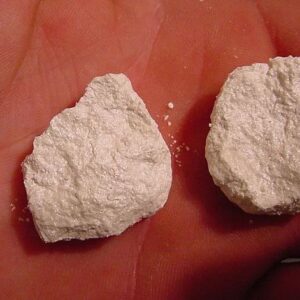
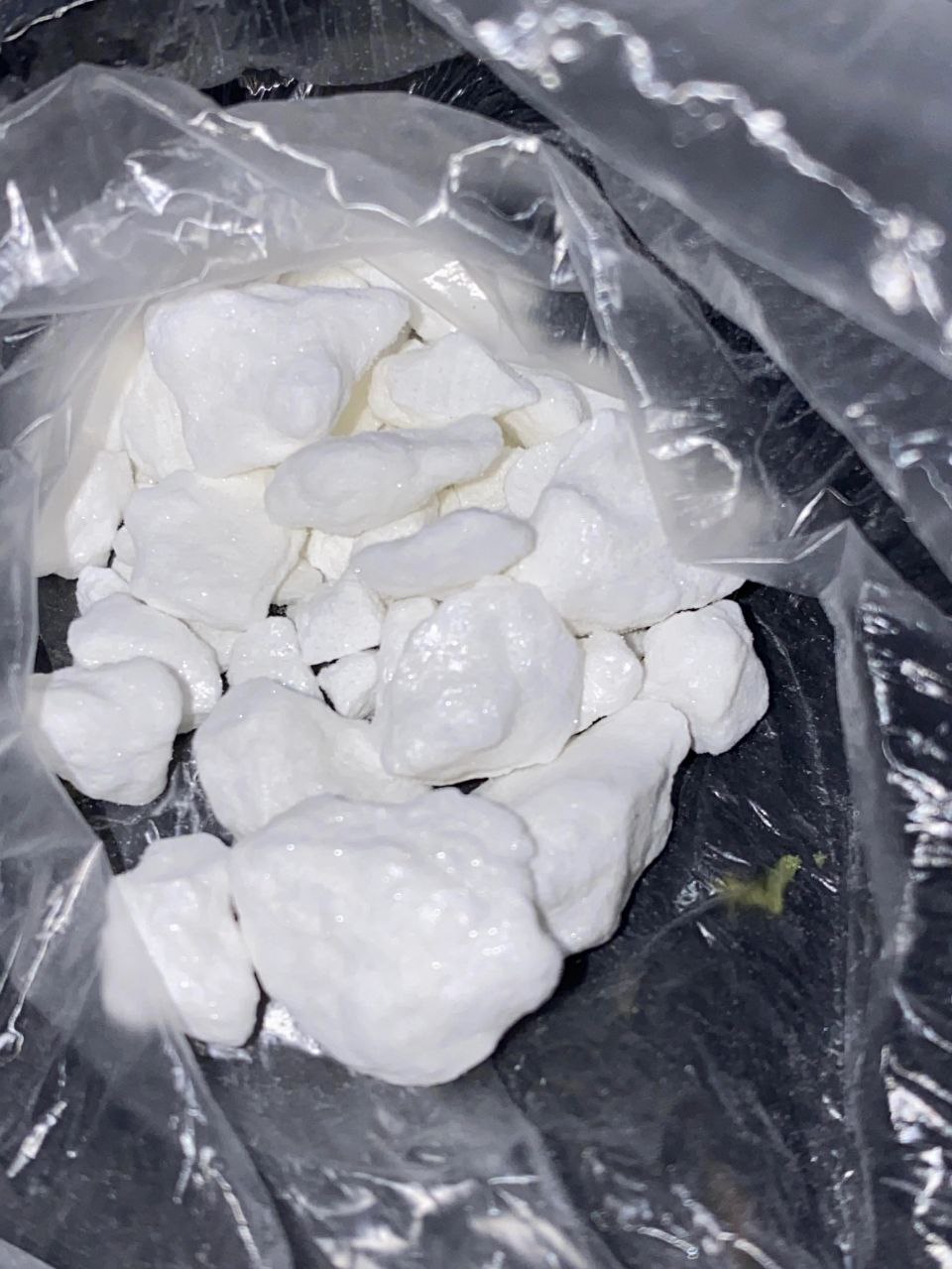
Crack cocaine Europe is a highly potent form of cocaine that has been widely studied due to its addictive properties and rapid effects on the central nervous system. Unlike powdered cocaine, crack comes in a rock-like form that can be smoked, producing an intense, short-lived high. Its fast-acting nature has made it a significant public health concern across major European cities.
Composition and How It Works
Crack cocaine is chemically derived from powdered cocaine by combining it with baking soda or ammonia and water, then heating it to form “rocks.” When smoked, the substance reaches the brain rapidly, triggering a surge of dopamine—a neurotransmitter associated with pleasure and reward. This immediate effect explains why crack is highly addictive.
Effects and Risks
The effects of crack cocaine include heightened energy, euphoria, alertness, and increased sociability. However, these short-term benefits come with serious health risks. Users may experience elevated heart rate, high blood pressure, anxiety, paranoia, and, in extreme cases, cardiac arrest. Long-term use can lead to dependence, respiratory issues, and severe psychological complications. Understanding these effects is critical for anyone seeking knowledge about crack cocaine in Europe.
Harm Reduction and Safety
While the safest choice is to avoid crack cocaine entirely, harm reduction strategies can help mitigate risks for those exposed. These include:
-
Avoid smoking in enclosed spaces to reduce respiratory damage.
-
Not using alone to ensure immediate assistance in case of overdose.
-
Accessing educational resources on addiction and treatment programs.
-
Seeking professional help for dependency or mental health concerns.
For more comprehensive harm reduction strategies and educational resources, visit Trippy Planet.
Longevity and Usage
The high from crack cocaine is extremely short-lived, typically lasting 5–10 minutes. This brevity often leads users to take repeated doses, which increases the risk of addiction and severe health complications. Understanding the fleeting nature of its effects helps contextualize the dangers associated with repeated use.
Conclusion
Crack cocaine Europe remains a substance with significant abuse potential and health risks. Awareness, education, and harm reduction are key for safety. By staying informed, individuals can make safer choices and understand the long-term consequences associated with use.